The landscape of talent acquisition is rapidly changing, with Artificial Intelligence (AI) leading the charge. As AI continues to evolve, it’s reshaping how companies attract, evaluate, and hire top talent. In 2026, we can expect AI to be at the heart of talent strategies, bringing not just efficiency, but also transformative opportunities for organizations. Here’s what you should be looking out for in the coming years.
AI-Powered Candidate Screening: Faster, Smarter, and Bias-Free
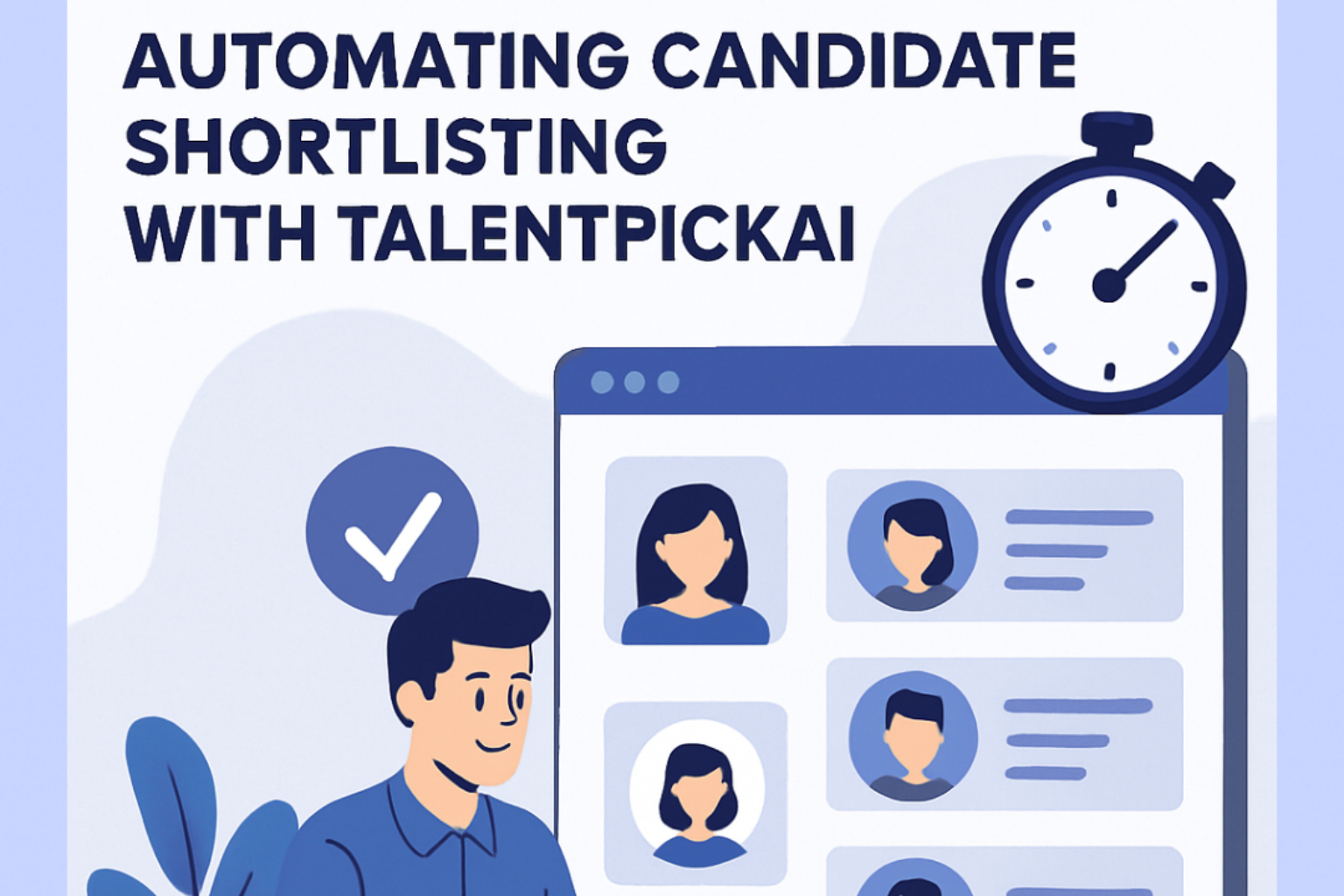
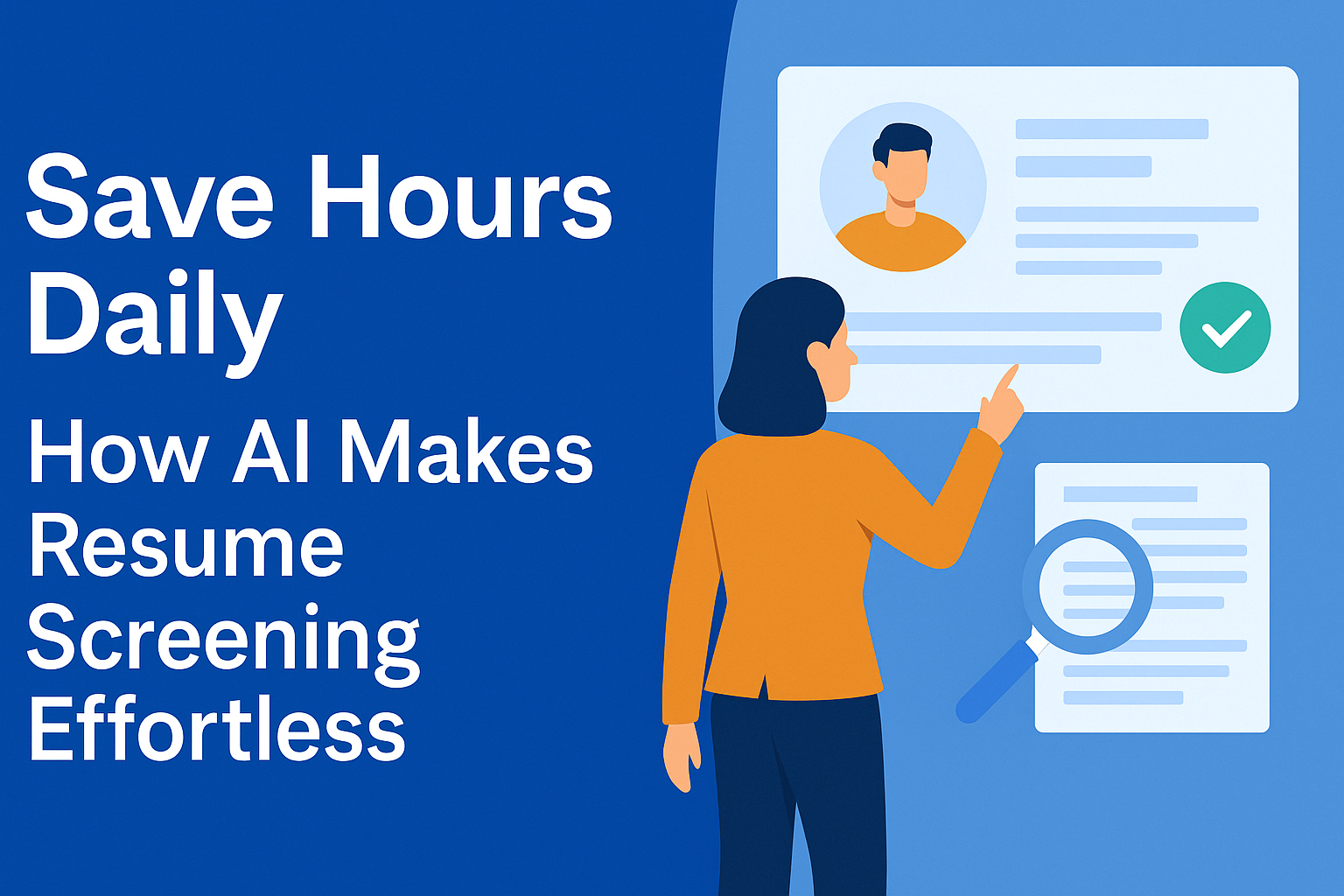
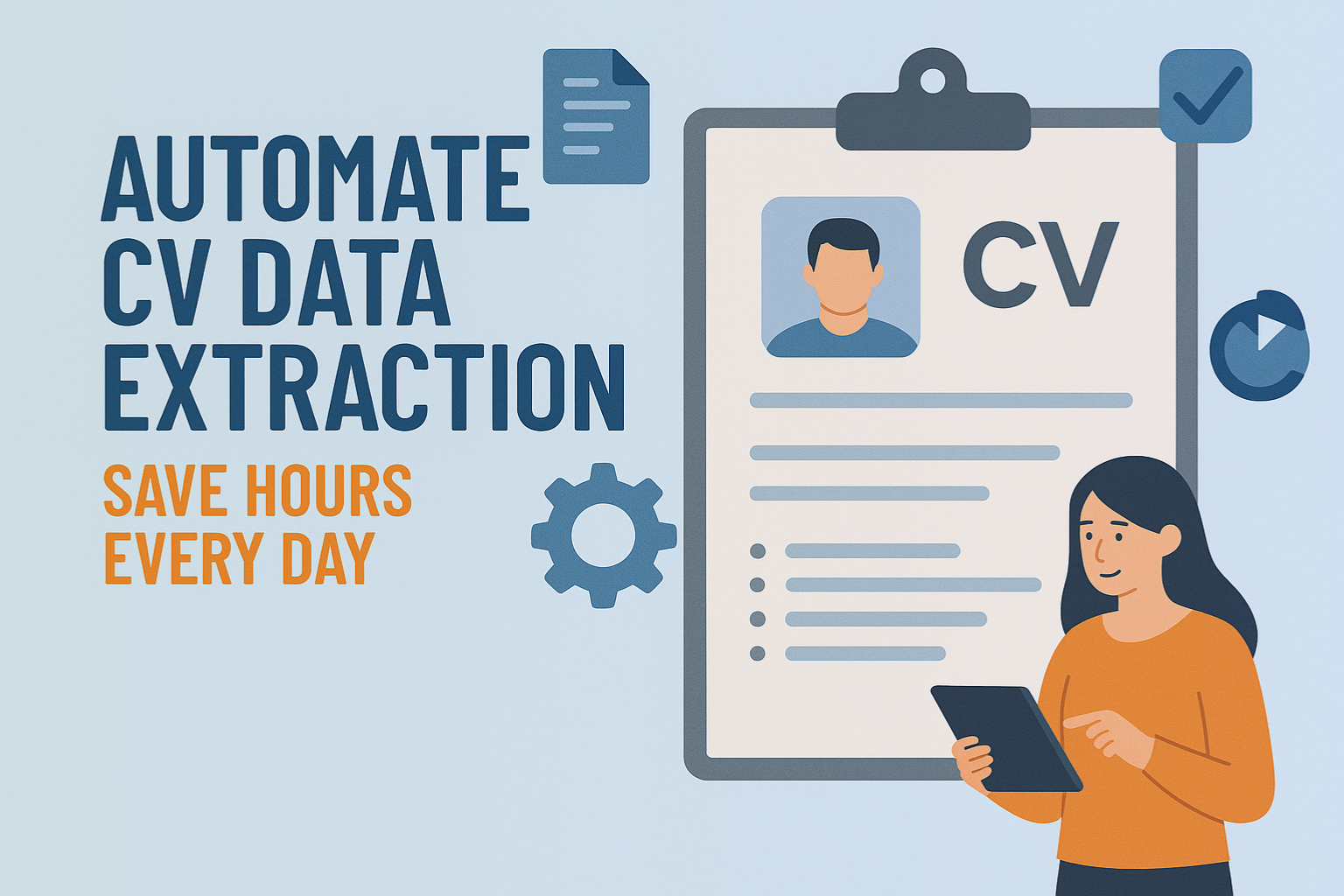
Gone are the days when talent acquisition professionals had to sift through hundreds (or even thousands) of resumes by hand. AI tools today can screen resumes, match skills with job requirements, and even assess cultural fit with remarkable speed and accuracy. By analyzing historical hiring data and patterns, AI can help companies identify the most qualified candidates and significantly reduce time-to-hire.
Moreover, as AI systems become more advanced, they will be able to eliminate unconscious bias from the recruitment process. Instead of relying on human judgment, which can unintentionally be influenced by biases, AI will assess candidates based solely on their qualifications, ensuring a fairer and more equitable hiring process.
Personalized Candidate Engagement
Another exciting trend in AI-powered talent acquisition is personalized candidate engagement. AI chatbots and virtual assistants are becoming increasingly sophisticated, capable of maintaining conversations with candidates throughout the hiring journey. These AI tools can provide real-time responses to queries, schedule interviews, send reminders, and even offer feedback to candidates.
In the future, candidates can expect tailored experiences where the communication feels personal and responsive, and recruiters can save significant time on administrative tasks. As a result, companies can focus more on strategic initiatives and less on repetitive tasks.
Predictive Analytics for Better Hiring Decisions
Predictive analytics is one of the most promising applications of AI in talent acquisition. By analyzing vast amounts of data, AI can predict the success of a candidate based on various factors such as their career trajectory, past job performances, and social media presence.
In the coming years, predictive analytics will evolve to be even more precise, allowing recruiters to make more informed hiring decisions. This data-driven approach will not only improve the quality of hires but also help businesses reduce turnover by ensuring a better match between candidates and the company culture.
AI-Driven Skill Gap Analysis
With the pace at which technology and industries evolve, organizations are constantly facing new challenges and emerging skill gaps. AI will play a critical role in helping companies identify skill shortages and the gaps within their workforce. AI can assess employees’ skillsets, compare them to industry standards, and suggest training or development programs that can help close these gaps.
By empowering employees with the skills they need, AI will help organizations stay competitive, flexible, and adaptive to changing market demands.
AI for Enhanced Diversity and Inclusion
The future of AI in recruitment goes hand in hand with diversity and inclusion. AI will be instrumental in leveling the playing field by focusing on qualifications rather than demographics. By eliminating biased language in job descriptions, AI can encourage diverse applicants and help organizations build teams with varied perspectives.
AI systems will continue to evolve to ensure that diversity remains a top priority in recruitment. From more inclusive job postings to tools that analyze candidate backgrounds without bias, AI will help drive systemic changes in hiring practices.
The Road Ahead: Ethical AI in Hiring
As AI becomes more integral to the recruitment process, it’s essential to ensure these technologies are used responsibly. Companies will need to invest in building transparent, explainable AI systems that promote fairness, accountability, and privacy. Ethical AI practices will be at the forefront, ensuring that AI in hiring decisions doesn’t perpetuate existing biases but instead creates a more diverse, inclusive workforce.
Conclusion
The future of talent acquisition is incredibly exciting, with AI paving the way for smarter, faster, and fairer hiring practices. By leveraging the power of AI, companies can not only enhance their recruitment efforts but also create more inclusive, effective, and sustainable talent strategies. As we look towards 2026, organizations that embrace AI-driven recruitment technologies will be well-positioned to attract and retain top talent in an increasingly competitive job market.